Private Label Wafer Program: Artwork, MOQ, Lead Times & Approval Workflow (B2B Guide)
Cocoa vs Vanilla Wafer Strategy:
Matching Flavor Profiles to Regional Demand
Introduction:
For B2B buyers in the confectionery industry, choosing the right wafer flavor is not a creative decision—it’s a commercial strategy.
Importers, distributors, and retail chains often ask the same question before placing a wafer order:
“Should we focus on cocoa wafers or vanilla wafers for our market?”
The answer depends on regional taste preferences, price sensitivity, product positioning, and retail channels. A mismatch between flavor profile and market demand can slow rotation, reduce repeat orders, and increase promotional pressure.
As a Turkish wafer manufacturer and exporter, Aprichem Foods works closely with B2B partners across Africa, the Middle East, Latin America, Europe, and Asia. This article shares practical, market-driven insights to help buyers build a profitable cocoa vs vanilla wafer strategy—whether for branded imports or private label programs.
Understanding the Core Difference: Cocoa vs Vanilla Wafers
Before diving into regional demand, it’s important to understand how these two classic flavors function in B2B portfolios.
Cocoa Wafers: Perceived Value & Indulgence
Cocoa wafers are often associated with:
-
Richer taste profiles
-
Chocolate-linked indulgence
-
Premium or mid-premium positioning
From a buyer’s perspective, cocoa wafers:
-
Perform well in urban retail chains
-
Fit gift packs and assorted bags
-
Justify slightly higher price points
Vanilla Wafers: Versatility & Mass Appeal
Vanilla wafers are valued for:
-
Light, neutral flavor
-
Broad consumer acceptance
-
Cost efficiency
For importers and wholesalers, vanilla wafers:
-
Work well in price-sensitive markets
-
Are ideal for high-volume distribution
-
Pair easily with creams, coatings, or fillings
Both flavors are essential—but not equally in every region.
Regional Flavor Demand: What Works Where?
Africa: Balancing Price Sensitivity and Aspiration
In many African markets, wafers are an everyday indulgence, especially for families and children.
Vanilla wafers dominate due to:
-
Competitive shelf pricing
-
Wide age-group acceptance
-
Suitability for sachets and small packs
However, cocoa wafers perform strongly in:
-
Capital cities and modern trade
-
Mixed assortments
-
Promotional bundles
Recommended strategy for Africa:
-
60–70% vanilla wafer SKUs
-
30–40% cocoa wafer SKUs
-
Focus on flexible pack sizes and fast rotation
Middle East: Strong Preference for Cocoa Profiles
Middle Eastern consumers generally favor richer, chocolate-forward flavors.
Cocoa wafers show strong demand because:
-
Chocolate is linked to quality perception
-
Consumers are familiar with cocoa-based snacks
-
Retail environments support premium positioning
Vanilla wafers still play a role, especially when:
-
Combined with chocolate coatings
-
Used in multipacks for families
-
Positioned as light snacks
Recommended strategy for the Middle East:
-
Cocoa-led wafer portfolio
-
Emphasis on cream quality and wafer crispness
-
Consider gift boxes and assorted formats
Latin America: Cocoa-Led with Room for Innovation
Latin American markets have a long-standing relationship with cocoa flavors.
Key observations:
-
Cocoa wafers outperform vanilla in most categories
-
Chocolate-based snacks enjoy high emotional connection
-
Consumers are open to hybrid concepts (cocoa + vanilla layers)
Vanilla wafers work best when:
-
Positioned as value products
-
Used in school-oriented snack lines
-
Combined with spreads or coatings
Recommended strategy for Latin America:
-
Cocoa as the core SKU
-
Vanilla as a complementary volume product
-
Explore layered or filled wafer concepts
Europe & Asia: Segmentation Is Key
These regions are more fragmented and require market-specific analysis.
General patterns:
-
Western Europe: balanced demand, strong private label focus
-
Eastern Europe: cocoa slightly ahead
-
Asia: vanilla performs well in some markets due to lighter taste preferences
Recommended strategy:
-
Test both flavors with pilot shipments
-
Use private label to adapt flavor intensity
-
Adjust sweetness and cream ratios per market
Cocoa vs Vanilla in Private Label & OEM Projects
For private label buyers, flavor choice impacts branding, pricing, and long-term scalability.
Cocoa Wafers in Private Label:
-
Higher perceived value
-
Stronger brand differentiation
-
Ideal for premium or mid-tier labels
Vanilla Wafers in Private Label:
-
Better cost control
-
Easier reformulation
-
Suitable for large retail chains and discounters
A Turkish wafer manufacturer like Aprichem can support:
-
Recipe adaptation per market
-
Flexible MOQ planning
-
Consistent quality across batches
Logistics & Shelf-Life Considerations
From an export standpoint, both flavors are stable—but there are nuances.
-
Cocoa wafers may require extra attention to temperature control
-
Vanilla wafers are generally more neutral during long transit
-
Packaging quality is critical to protect wafer crispness
Export-ready wafer production must consider:
-
Container conditions
-
Long-distance shipping
-
Warehousing environments in destination countries
Why Work with a Turkish Manufacturer Like Aprichem?
Turkey has become a strategic sourcing hub for confectionery buyers worldwide.
Working with Aprichem Foods means:
-
Export-oriented production mindset
-
Experience with diverse regional markets
-
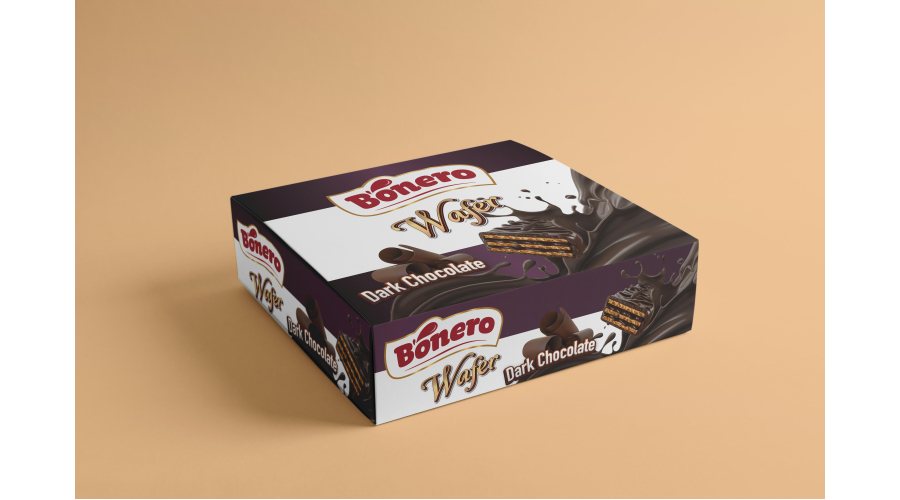
Ability to supply branded (Bonero) and private label wafers
-
Flexible production for distributors and importers
As a manufacturer and exporter, Aprichem focuses on long-term B2B partnerships, not one-off shipments.
How to Choose the Right Flavor Mix for Your Market
Before finalizing your next wafer order, consider:
-
Who is your primary consumer?
-
Which retail channel will dominate?
-
Is price or indulgence the main driver?
-
Are you building a brand or distributing volume?
A data-driven flavor strategy reduces risk and increases repeat sales.
Call to Action: Let’s Build the Right Wafer Strategy Together
Whether you are:
-
Launching a new wafer line
-
Expanding into new regions
-
Developing a private label project
Aprichem Foods can support you with market insight, flexible production, and export-ready solutions.
???? Contact Aprichem today to discuss cocoa and vanilla wafer options tailored to your target market.
FAQ – B2B Buyers Ask
1. Which wafer flavor sells more globally: cocoa or vanilla?
Cocoa wafers generally lead in perceived value, while vanilla wafers lead in volume in price-sensitive markets.
2. Are cocoa wafers more expensive to produce?
Yes, slightly, due to cocoa-based ingredients, but they also support higher pricing.
3. Can I combine cocoa and vanilla in one assortment?
Absolutely. Mixed assortments are very effective for distributors and retail chains.
4. Does Aprichem offer private label wafer production?
Yes. Aprichem supports OEM and private label wafer projects for B2B buyers.
5. How do I test market demand before a large order?
Start with mixed SKUs and smaller MOQs, then scale based on sell-through data.