Compound Chocolate & Wafer Producers from Turkey | Aprichem
- 01.12.2025
- 55 okunma
Compound Chocolate & Wafer Producers: A Complete Guide for Importers, Distributors and Retail Chains
In fast-growing food markets across Africa, the Middle East, Latin America, Asia, and Eastern Europe, compound chocolate and wafer products remain some of the most consistent, profitable categories for B2B buyers. Whether you import for retail, wholesale, convenience trade, or private label, these products offer strong margins, high rotation, and reliable consumer demand year-round.
But choosing the right compound chocolate and wafer producer—especially in international trade—is not easy. Buyers need stable quality, competitive prices, customizable recipes, compliant packaging, and smooth logistics. Many are turning to Turkey, a long-established manufacturing hub with advanced confectionery capabilities and strong export performance.
This guide gives B2B professionals a clear understanding of how to select a reliable producer, what to expect from OEM/private label manufacturing, and why companies like Aprichem Foods (Brand: Bonero) are gaining traction in global markets.
1. Why Compound Chocolate & Wafer Products Remain Strong B2B Performers
Compound chocolate and wafer products are ideal for B2B channels because they combine:
✔ Affordable pricing
Compound chocolate uses vegetable fats instead of cocoa butter, making it significantly more cost-effective while maintaining a chocolate-like experience.
✔ Versatility across formats
-
Wafers (bars, cubes, coated wafer fingers)
-
Compound chocolate bars
-
Chocolate-coated products
-
Confectionery assortments
-
Gift and seasonal packs
-
Bulk chocolate for repacking or industrial use
✔ Long shelf life & easy logistics
Most SKUs maintain 9–18 months shelf life depending on packaging and climate conditions.
✔ High and stable demand
In developing markets, consumers buy wafers and chocolate regularly due to taste familiarity and affordable price points.
For importers and distributors, this creates predictable purchasing cycles and strong rotation in both modern and traditional retail.
2. What Importers Should Look for in a Compound Chocolate & Wafer Manufacturer
Choosing the right supplier is essential to avoid quality issues, inconsistent taste, melting problems, packing defects, or customs delays.
Here are the key factors B2B buyers must evaluate:
2.1 Recipe flexibility and taste adaptation
Each region has its own flavor expectations:
-
Africa: sweeter, crunchier wafers; stronger cocoa flavor
-
Middle East: smoother chocolate profile; premium-style packaging
-
Latin America: balanced sweetness; fruit-filled wafers perform well
-
Europe & North America: stricter quality expectations
A strong Turkish manufacturer should allow adjustments in:
-
Cocoa intensity
-
Sweetness level
-
Wafer texture (light, airy, crispy)
-
Coating thickness
-
Filling flavor profiles
Aprichem supports recipe customization for private label and OEM clients based on regional preferences.
2.2 Packaging quality and export-ready compliance
In international trade, packaging is as important as the product itself.
Buyers should ensure that the producer offers:
-
Aluminum or metallized film barrier
-
Proper sealing for hot climates
-
High-quality prints for shelves
-
Correct multilanguage labeling
-
Barcode and regulatory compliance
-
Capability for gift packs, boxes, and assorted bags
Packaging failures can lead to moisture penetration, texture loss, or customs rejection—problems that exporters must avoid.
2.3 Consistent production & quality systems
Reliable producers maintain structured internal controls:
-
Standardized production processes
-
Systematic quality checks (physical, chemical, microbiological)
-
Traceability of raw materials
-
Food safety management based on internationally recognized standards
-
Experience supplying EU, GCC, African and Latin American markets
While many factories claim high quality, buyers should ask for sample batches to verify taste and consistency.
2.4 Export documentation experience
The manufacturer should seamlessly provide:
-
Certificate of Origin
-
Health Certificate
-
Halal declaration when required
-
Commercial Invoice & Packing List
-
Preferential trade certificates (if applicable)
Documentation mistakes can delay a shipment for weeks. Turkish exporters like Aprichem have long experience preparing region-specific export files.
2.5 Capability for private label & OEM
Most B2B buyers today prefer private label chocolate and wafers because:
-
They control the brand
-
They maintain retail positioning
-
They protect margins
-
They differentiate from competitors
This is why producers must be able to offer:
-
Custom flavor formulation
-
Custom packaging (pouches, flowpacks, boxes)
-
Flexible MOQ based on SKU count
-
Artwork support
-
Brand consistency across multiple products
Aprichem’s brand Bonero also serves as a base reference for clients developing their own SKUs.
3. Product Types Commonly Requested by B2B Chocolate Buyers
Below are the most demanded formats in international markets.
3.1 Wafer bars (20g–50g)
Best suited for kiosks, traditional trade and quick rotation.
Popular flavors:
-
Chocolate
-
Vanilla
-
Hazelnut
-
Strawberry
-
Duo flavors (similar to Bonero DUO style)
3.2 Large wafer packs (multipacks and family packs)
Ideal for supermarkets and wholesale:
-
10 pcs / 12 pcs / 24 pcs
-
Bulk 1kg or 2kg wafer bags for repacking
3.3 Compound chocolate bars (small & medium sizes)
These offer an affordable alternative to pure chocolate, with:
-
Smooth texture
-
Strong cocoa notes
-
High heat stability for tropical climates
3.4 Chocolate-coated biscuits & wafers
A high-margin category that performs well across Africa and the Middle East.
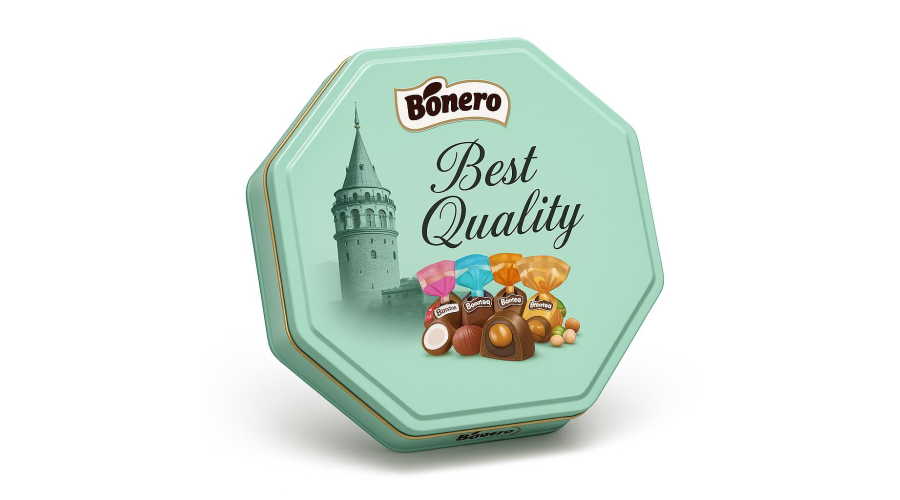
3.5 Assorted chocolate gift bags (Bonero-style assortments)
Perfect for festive seasons and modern retail.
4. Why Turkey is a Preferred Source for Chocolate & Wafer Products
Importers frequently choose Turkish producers due to:
4.1 Cost effectiveness
Turkey offers competitive pricing vs. Europe, MENA, South America and some Asian origins.
4.2 Strong confectionery culture
The country exports chocolate, wafers and confectionery to over 150+ global markets.
4.3 Suitable for hot climates
Turkish compound chocolate formulations are specifically designed for warm weather logistics.
4.4 High manufacturing flexibility
Producers can handle:
-
Multilanguage packaging
-
Small or large MOQ
-
Private label
-
Mixed containers
-
Seasonal variations
4.5 Faster lead times and proximity to global shipping routes
Access to Europe, Africa and the Middle East through short transit times.
5. Why Work With a Turkish Manufacturer Like Aprichem Foods
Aprichem Gıda stands out as a reliable, export-oriented producer with multi-category capabilities:
✔ Product Expertise
-
Compound chocolate
-
Wafers (bars, cubes, coated wafers)
-
Soft candy & jellies
-
Instant powder drinks
-
Spread chocolate
-
Chocolate gifts & assorted bags
✔ B2B-focused Production
Aprichem does not compete with clients in local markets. Its focus is 100% export and private label partnerships.
✔ Adaptation for Regional Markets
Taste profiles, sweetness levels, packaging formats and pricing structures can be adapted for:
-
African markets
-
Middle Eastern markets
-
Latin American markets
-
Asian markets
✔ Private Label / OEM Specialists
Aprichem supports:
-
Name development
-
Artwork preparation
-
Packaging spec finalization
-
Formula adaptation
-
Mixed container planning
-
Long-term brand building
✔ Smooth Export Operations
Clients receive complete export documentation without delays, reducing customs risks.
6. Step-by-Step Guide: How Importers Can Start Working With a Chocolate & Wafer Producer
Step 1 — Share your brief
Include:
-
Market & target consumer
-
Desired price points
-
Preferred flavors & formats
-
Packaging languages
-
Expected annual volume
Step 2 — Sampling & formula development
Producers send tasting samples based on your brief.
Buyers evaluate:
-
Sweetness
-
Texture
-
Aroma
-
Coating thickness
-
Melting resistance (critical for hot climates)
Step 3 — Packaging development
Options include:
-
Flowpacks
-
Pillow packs
-
Multipacks
-
Boxes
-
Family bags
-
Assorted gift bags
Design must comply with local labeling laws.
Step 4 — Final quotation & order confirmation
Pricing depends on:
-
Cocoa ratio
-
Oil type
-
Packaging specs
-
Volume and container load
Step 5 — Production & QC
Quality checks are carried out at each stage.
Step 6 — Export & loading
Manufacturer prepares:
-
CO
-
HC
-
Halal declaration (if required)
-
Packing List
-
Commercial Invoice
Buyers receive photos of pallets, cartons and loading.
7. Common Mistakes Importers Should Avoid
❌ Choosing the cheapest supplier
This often leads to taste inconsistency and shelf-life problems.
❌ Ignoring climate factors
Not all chocolate is suitable for tropical markets.
❌ Ordering too many SKUs early
Start with 2–3 core items and expand after sell-out data.
❌ Weak packaging
Thin films cause breakage or melting—packaging matters.
8. CTA – Partner With Aprichem Foods (Bonero Brand)
Whether you're an importer, distributor, supermarket buyer, or private label brand owner, Aprichem can help you build a competitive, profitable chocolate and wafer portfolio.
→ Send your inquiry today via aprichem.com
Request samples, share your brief, or discuss private label possibilities.
Our team will support you from product design to export logistics.
FAQ (For FAQ Schema)
1. What is compound chocolate and why is it suitable for hot climates?
Compound chocolate uses vegetable fats instead of cocoa butter, giving it higher heat resistance and lower cost—ideal for tropical markets.
2. Can I create a private label chocolate or wafer brand with a Turkish manufacturer?
Yes. Turkish factories like Aprichem specialize in OEM/private label production with flexible packaging and recipe customization.
3. What is the MOQ for wafers and compound chocolate?
MOQ depends on SKU count and packaging type, but mixed containers are possible for most export clients.
4. Do Turkish producers offer export documentation?
Yes, including Certificate of Origin, Health Certificate, Halal declaration (when required), Commercial Invoice, and Packing List.
5. Can I combine wafers, chocolates, soft candy and instant drinks in one container?
Aprichem offers multi-category production, allowing clients to consolidate multiple confectionery and beverage items in a single shipment.