Spread Chocolate Manufacturer & Supplier from Turkey | Aprichem
⭐ Spread Chocolate Production for B2B Markets: A Complete Guide for Importers, Distributors & Private Label Brands
Spread chocolate—often called cocoa spread or chocolate cream—continues to be one of the most consistently fast-moving confectionery categories in Africa, the Middle East and Latin America. Affordable, familiar, kid-friendly and easy to store, spread chocolate has become a staple in modern retail, traditional shops and wholesale channels.
For importers, distributors, retail chains and private label owners, the product presents a high-demand, high-rotation opportunity. But choosing the right spread chocolate manufacturer is not always easy—especially in international trade where formulation, shelf life, shipping conditions, and packaging compliance matter.
Turkey has emerged as a strong hub for chocolate spread production due to its cost advantage, quality consistency, established export culture and flexible private label capabilities.
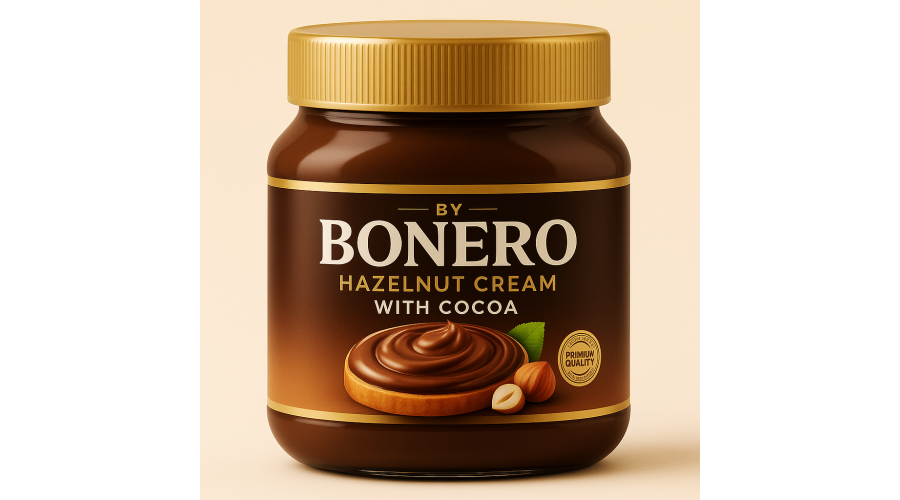
This guide explains everything B2B buyers need to know about sourcing spread chocolate from Turkey—how production works, what quality parameters to check, and why manufacturers like Aprichem Foods (Bonero brand) have become preferred partners in global markets.
1. Why Spread Chocolate Is a Strong Performer in Global B2B Markets
Spread chocolate is one of the most stable and predictable categories in confectionery. Unlike seasonal chocolate, it sells year-round and appeals to a wide consumer base.
1.1 Strong, stable demand
Used on bread, pastries, crepes, biscuits, waffles, pancakes and even baking recipes, spreads maintain daily household usage.
1.2 Affordable & accessible
Compared with premium chocolates, cocoa spreads require fewer expensive ingredients, making them easier to price competitively while keeping margins attractive.
1.3 Long shelf-life
Most chocolate spreads maintain 9–18 months shelf life depending on formulation and packaging.
1.4 Suitable for tropical markets
Spread chocolate is more heat-resistant than traditional chocolate bars, making it ideal for:
-
Africa
-
Middle East
-
Latin America
-
Southeast Asia
1.5 Private label growth
Retailers increasingly want their own chocolate spread brand instead of promoting third-party brands.
This has turned Turkey into a primary source for OEM & private label cocoa spreads.
2. Key Quality Factors B2B Buyers Should Evaluate
Choosing the right manufacturer requires understanding the parameters that define good, stable and market-ready chocolate spread.
2.1 Texture & spreadability
A high-quality chocolate spread must be:
-
Smooth
-
Non-grainy
-
Easily spreadable even in warm climates
-
Consistent from top to bottom of the jar
A good manufacturer ensures that:
-
Oils do not separate
-
The spread doesn’t become too hard in cooler weather
-
The product retains stability during long transport periods
2.2 Taste profile customization
Different regions prefer different flavor profiles:
| Region | Taste Preference |
|---|---|
| Africa | Sweeter, stronger cocoa taste |
| Middle East | Balanced sweetness, smoother oil profile |
| Latin America | More natural cocoa notes, lighter sweetness |
A reliable manufacturer should adapt:
-
Cocoa intensity
-
Sweetness
-
Fat profile
-
Aroma notes
-
Color consistency
Aprichem customizes formulations based on market demands of each region.
2.3 Oil type matters
Chocolate spreads typically use:
-
Sunflower oil
-
Palm oil (vegetable fat)
-
Blended oils
For warm climates, palm oil-based formulations offer higher stability.
Buyers should always confirm:
-
Melting point
-
Texture stability
-
Oil separation resistance
2.4 Packaging quality
The right packaging ensures:
-
Shelf stability
-
Safety
-
Branding strength
Common formats:
-
PET jars
-
Glass jars
-
Sachets (15g–20g)
-
Pouches
-
Family-size containers
Export buyers should ensure:
-
Multi-language labeling
-
Accurate ingredient declarations
-
Allergen statements
-
HS code & country of origin
-
Compliance with local food regulations
2.5 Heat resistance for export logistics
During shipping, containers can reach very high temperatures.
Spread chocolate must withstand:
-
30–40°C warehouse conditions
-
Long travel times (Africa & Latin America)
-
Multiple storage points before final sale
Turkish factories like Aprichem design formulations specifically for tropical climates.
3. Common Spread Chocolate Formats for B2B Buyers
✔ Standard chocolate spread (classic cocoa)
The most widely exported format. Ideal for supermarkets and wholesalers.
✔ Dual cocoa & vanilla swirl spreads
Highly attractive visually; strong performance among children’s segments.
✔ Hazelnut-style spreads (low- or mixed-hazelnut)
Affordable alternative to premium hazelnut spreads.
✔ Squeeze pouches
Increasingly popular for convenience, especially in Africa and Latin America.
✔ Mini single-serve portions
Perfect for hotels, airlines, cafes and cafeterias.
✔ Private label spreads in custom jars
Buyers control branding, pricing and shelf positioning.
4. Why Turkey Is a Leading Source for Spread Chocolate Production
4.1 Competitive pricing
Turkey offers:
-
Lower raw material costs
-
Optimized labor costs
-
Efficient production lines
This allows B2B customers to maintain strong retail margins.
4.2 Expertise in confectionery
Turkey has decades of export experience across chocolate, wafers, soft candy and spreads.
4.3 Flexible production for global markets
Factories can adapt:
-
Recipe
-
Packaging
-
Portion size
-
Sweetness
-
Shelf-life requirements
4.4 Export-friendly documentation
Turkish exporters are highly experienced with:
-
CO
-
Health Certificates
-
Halal declarations
-
Certificate of Free Sale
-
Packing List & CI
-
GCC and African labeling rules
4.5 Faster shipping times
Strategic location allows fast transit to:
-
Middle East (7–12 days)
-
Africa (10–25 days)
-
Europe (3–7 days)
5. Why Work with Aprichem Foods (Bonero Brand)
Aprichem stands out due to its strong B2B capabilities.
5.1 Multi-category manufacturer
Aprichem produces:
-
Spread chocolate
-
Wafers
-
Soft candy
-
Chocolate gift bags
-
Private label confectionery
Importers benefit by consolidating multiple SKUs in one container, reducing freight cost.
5.2 Expertise in spread chocolate
Aprichem offers:
-
Recipes tailored for tropical climates
-
Smooth, stable, non-oily texture
-
Multiple packaging formats
-
Fully customized private label solutions
5.3 Strong private label & OEM program
B2B clients receive:
-
Branding & artwork support
-
Formula development
-
Label compliance checks
-
Flexible MOQ per SKU
-
Mixed-container options
5.4 Reliable export operations
Aprichem prepares all export documentation quickly and accurately, preventing customs delays.
6. Step-by-Step Process to Start Working with a Spread Chocolate Producer
Step 1 — Submit your brief
Include:
-
Target market
-
Desired flavors
-
Packaging format
-
Pricing target
-
Branding requirements
Step 2 — Receive product samples
Samples allow buyers to test:
-
Spreadability
-
Oil stability
-
Taste profile
-
Color
-
Aroma
Step 3 — Packaging development
Private label clients choose:
-
Jar sizes
-
Label language
-
Artwork
-
Brand name
Step 4 — Pricing & MOQ confirmation
Pricing varies by:
-
Cocoa level
-
Oil type
-
Packaging
-
Volume
Step 5 — Production
Each batch undergoes:
-
Quality checks
-
Packaging control
-
Shelf-life testing
Step 6 — Export & shipping
Aprichem handles all export documentation and provides loading photos for buyer verification.
7. CTA — Start Your Spread Chocolate Project with Aprichem
If you're an importer, distributor or private label brand looking for a reliable spread chocolate manufacturer, Aprichem is ready to support you.
???? Visit aprichem.com to request samples, pricing or a private label proposal.
FAQ (For FAQ Schema)
1. What is the shelf life of spread chocolate?
Typically 9–18 months depending on formulation and packaging.
2. Can I create a private label chocolate spread?
Yes. Aprichem provides tailor-made recipes, branding and packaging based on buyer needs.
3. What is the MOQ?
MOQ varies per SKU but mixed containers are possible for export customers.
4. Is spread chocolate suitable for hot climates?
Yes, Turkish manufacturers formulate spreads to resist separation and maintain texture in high temperatures.
5. Can I combine spreads with wafers or chocolates in one container?
Absolutely—Aprichem allows multi-category consolidation to reduce freight costs.